


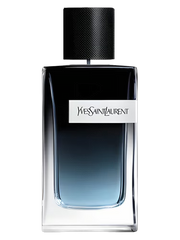
Yves Saint Laurent for Men
QAR 430 (approx.)


Couldn't load pickup availability

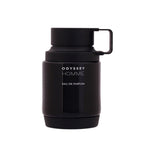
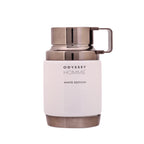
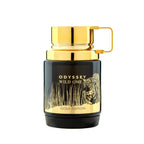
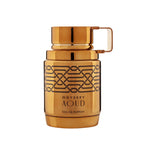
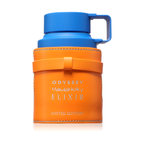
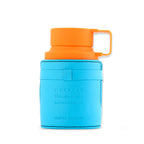
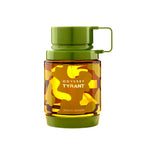
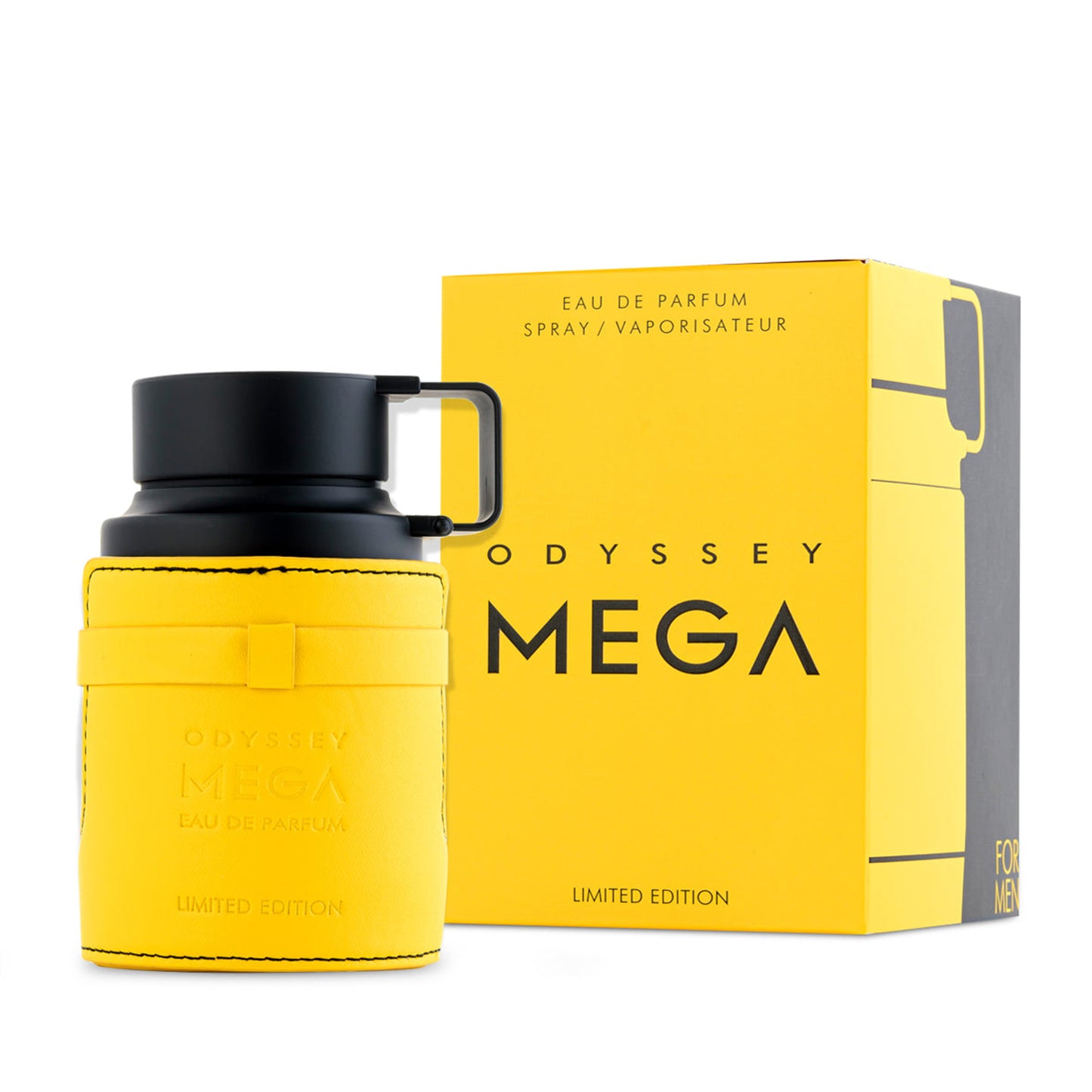
Armaf Odyssey Mega Man is a vibrant citrus aromatic EDP that opens with a lively burst of bergamot and mint before evolving into a fruity pineapple and spicy ginger heart. The tonka bean and cedar base round it off with a smooth, clean warmth that lingers through the day.
A versatile, crowd-pleasing daytime fragrance equally at home at the office, gym, or out with friends.
QAR 430 (approx.)

 Bergamot
 Mint
Mint
 Ginger
 Pineapple
Armaf Odyssey Mega Man is a vibrant citrus aromatic EDP that opens with a lively burst of bergamot and mint before evolving into a fruity pineapple and spicy ginger heart. The tonka bean and cedar base round it off with a smooth, clean warmth that lingers through the day.
A versatile, crowd-pleasing daytime fragrance equally at home at the office, gym, or out with friends.
| Brand | Armaf |
|---|---|
| Full name | ARMAF ODYSSEY MEGA MAN |
| Launched | 2023 |
| Concentration | EDP |
| Volume | 100 ml |
| Gender | Male |